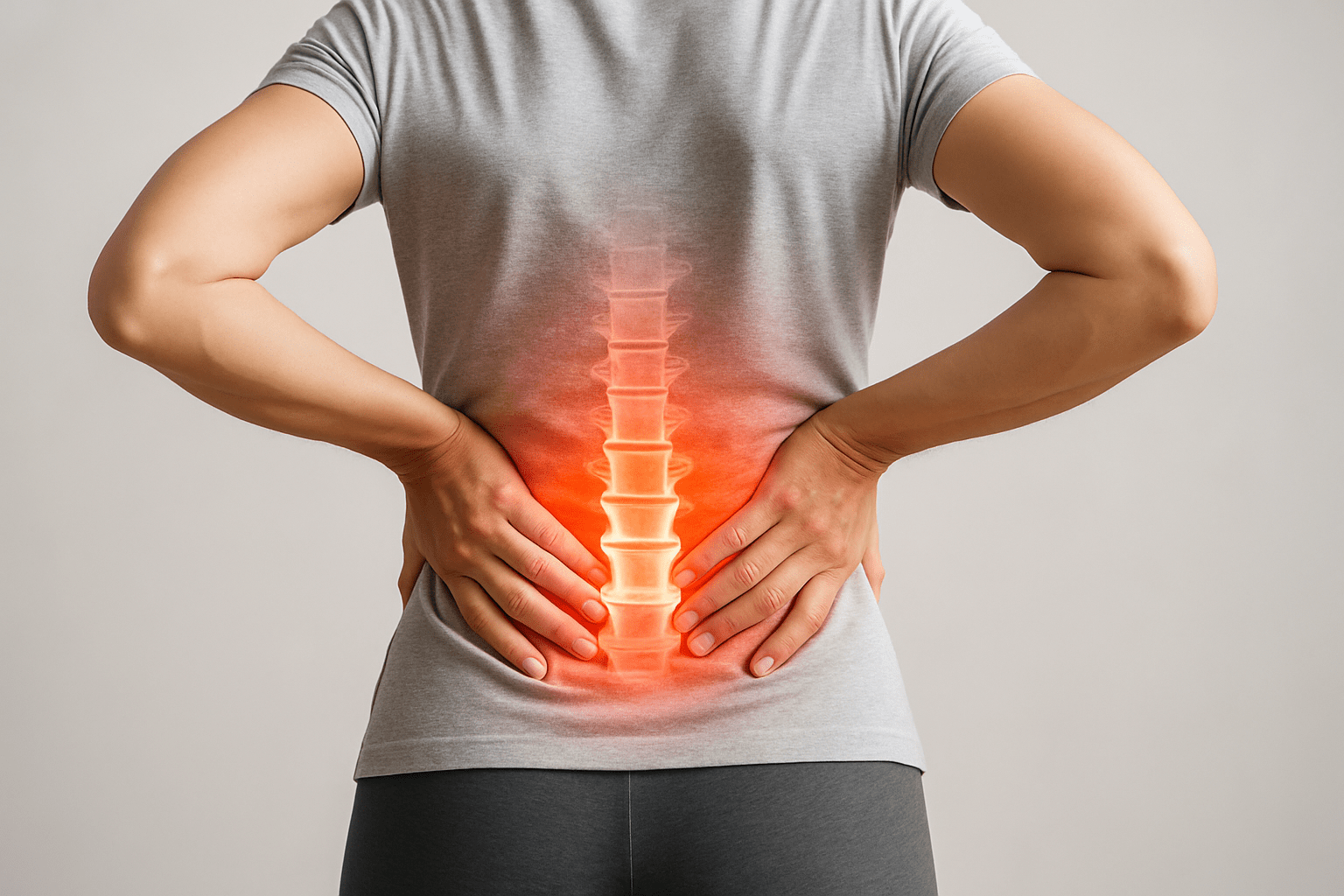
This is how you can strengthen your intestines and actively keep them healthy
You certainly know how challenging it can sometimes be to keep an apartment clean and intact. It is no different with our largest internal organ. The intestine has an impressive total area of around 32 square meters. For this reason, and not least because of its many folds and contortions, it also needs regular care. The immense size and complexity of its functions make the intestine vulnerable to various problems, including intestinal inflammation. For your physical well-being, it is important to strengthen your intestines to protect it from diseases such as inflammation. In this article you will learn more about...

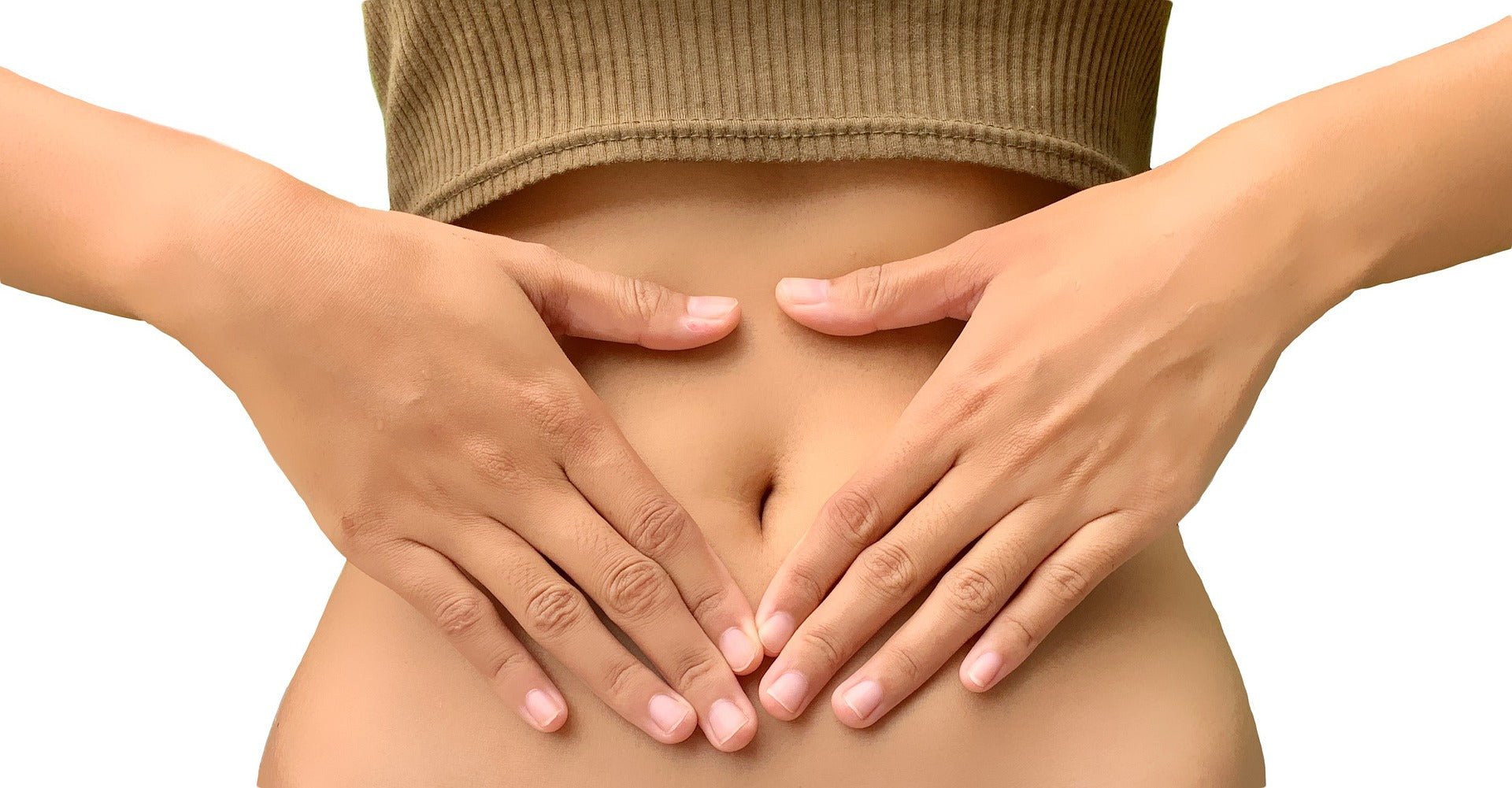
You certainly know how challenging it can sometimes be to keep an apartment clean and intact. It is no different with our largest internal organ. The intestine has an impressive total area of around 32 square meters. For this reason, and not least because of its many folds and contortions, it also needs regular care.
The immense size and complexity of its functions make the intestine vulnerable to various problems, including intestinal inflammation. For your physical well-being, it is important to strengthen your intestines to protect it from diseases such as inflammation.
In this article you will learn more about the structure and function of the intestines, the causes and symptoms of intestinal inflammation, and the best strategies for staying healthy in the long term.
Reading tip: Are you interested in what massages can do? Find out more in our article “From head to toe: massages can help here”
Note: This article does not replace medical advice. If symptoms persist, please always consult a medical professional.
The human intestine: structure and function

The intestine is one of our most important organs in the body. It is a tube of muscles lying in loops. If the intestines hurt, it is actually a problem a form of muscle pain.
This organ is fascinating, extremely complex and plays a crucial role in our digestive system. Its two essential parts are the small intestine and the large intestine, which work together to digest food, absorb nutrients and excrete waste.
The small intestine is responsible for absorbing nutrients and vitamins, while the large intestine absorbs water and salts from the remaining food and forms stool.
The intestine is also home to a variety of microorganisms that support our health. This intestinal flora is essential for a well-functioning immune system and general health.
Intestinal inflammation: what is it?
Inflammation of the intestines is also called enteritis and is an inflammation of the mucous membrane in the intestines. Such inflammation can occur in both the small and large intestine and has various causes.
Typically, intestinal inflammation leads to symptoms such as abdominal pain, diarrhea and nausea. Intestinal inflammation can occur acutely or be chronic, which requires long-term treatment. And with around 400,000 people in Germany alone suffering from chronic inflammatory bowel disease, the prevalence is relatively high.
Occurrence and types of intestinal inflammation
Intestinal inflammation can affect people of all ages and can generally be divided into two main categories: infectious and non-infectious intestinal inflammation.
- Infectious intestinal inflammation: This form is caused by viruses, bacteria or parasites. Common pathogens include noroviruses, salmonella and coli bacteria. Infectious intestinal inflammation often occurs suddenly and is associated with symptoms such as severe abdominal pain, diarrhea and fever.
- Non-infectious intestinal inflammation: This category includes chronic inflammatory bowel diseases such as Crohn's disease and ulcerative colitis. These diseases often have a genetic component and can be influenced by environmental factors and the immune system. Symptoms include long-lasting abdominal pain, diarrhea and general malaise.
But what are the causes of intestinal inflammation and why are some people more susceptible to it than others?
Intestinal inflammation: possible causes
The tricky thing about intestinal inflammation is that the causes can be triggered by both external and internal factors. The most common triggers include:
- Inheritance: Genetic predispositions play an important role. If there are known cases of chronic inflammatory bowel disease such as Crohn's disease or ulcerative colitis in the family, the risk is increased.
- Medicines such as antibiotics: The use of certain medications, especially antibiotics, can unbalance the natural intestinal flora and promote inflammation. Antibiotics not only kill harmful bacteria, but also affect the beneficial bacteria in the intestines.
- Stress: Chronic stress negatively affects the digestive system and can promote intestinal inflammation. Stress hormones such as cortisol affect intestinal movements and the mucous membrane. By the way, stress is one of those factors that you can get under control with a little self-care. Regular relaxation and massages have a positive effect not only physically, but also mentally.
- Diseases: Other medical conditions such as celiac disease, irritable bowel syndrome and diabetes can also increase the risk of intestinal inflammation. These diseases affect the functioning of the intestines and make them more susceptible to inflammation.
With this multitude of triggers, it is even more important to recognize symptoms and signs early in order to be able to react accordingly.
Reading tip: In the case of chronic intestinal inflammation, pain therapy can help those affected to deal with the disease. In ours Post about pain management you can find out more about the topic.
Symptoms of intestinal inflammation
Intestinal inflammation can cause varying symptoms depending on the cause and severity. But there are signs that are particularly common. These include:
- Abdominal pain: Often crampy and felt throughout the entire abdominal cavity.
- Diarrhea: Frequent, watery stools, sometimes accompanied by blood or mucus.
- Nausea and vomiting: These symptoms occur particularly in infectious intestinal inflammation.
- Fever: A typical sign of infectious inflammation.
- Fatigue and weakness: Due to the loss of fluids and nutrients, those affected often feel exhausted.
These symptoms sometimes have a severe impact on daily life and therefore require targeted treatment and, of course, previous diagnoses.
How is intestinal inflammation diagnosed?
The diagnosis of intestinal inflammation usually begins with a detailed medical history and a physical examination. Blood and stool tests are often performed to determine the exact cause.
These tests can be used to detect infections and identify signs of inflammatory processes in the intestines. In some cases, additional imaging procedures such as ultrasound, CT or a colonoscopy are necessary to examine the affected areas of the intestine more closely and to rule out other diseases. Once the diagnosis is made, the next step is to determine the appropriate treatment for the intestinal inflammation.
Reading tip: A corona infection is often accompanied by intestinal problems and muscle pain. We have Tips about Strategies to combat pain after illness from the virus and Long Covid.
What treatment options are there for intestinal inflammation?
Depending on the cause and severity of the disease, there are different treatment approaches for intestinal inflammation. Some of the most common methods are:
- Drug treatment: In the case of infectious intestinal inflammation, antibiotics or antiviral medications are often prescribed to combat the pathogens. Anti-inflammatory medications such as corticosteroids, immunosuppressants and biologics are used for chronic inflammatory bowel disease.
- Home remedies: Natural approaches can help relieve symptoms. Chamomile tea, ginger and fennel are known for their calming properties on the gastrointestinal tract. Probiotics can also have a supportive effect by bringing the intestinal flora back into balance.
- Nutrition: An adapted diet plays an important role in the treatment and prevention of intestinal inflammation. Easily digestible foods such as bananas, rice and steamed vegetables are often well tolerated. However, dairy products and spicy foods should be avoided.
How can you prevent intestinal inflammation?
Ideally, intestinal inflammation should not occur in the first place. It is therefore clearly worth taking preventive measures and thus significantly reducing the risk of illness from the outset. So what can you actively do?
- Nutrition: A diet rich in fiber and containing plenty of fruit, vegetables and whole grain products supports intestinal health. Adequate hydration is also important.
- Movement: Regular physical activity promotes bowel movements and contributes to overall health. Even a daily walk can have a positive effect.
- Massages: Abdominal massages can promote blood circulation and digestion, helping to prevent intestinal inflammation. Gentle techniques are particularly beneficial. In general, massages with the aim of reducing stress are beneficial for intestinal health.
Strengthen the intestines with the right diet: What can help and what can harm?

As the most important digestive organ, it is obvious that nutrition plays a central role in the health of our intestines. A gut-friendly diet can prevent and relieve inflammation. Helpful foods include:
- Fiber: They support digestion and promote healthy intestinal flora.
- Probiotics: These promote the growth of beneficial bacteria in the intestines.
- Omega-3 fatty acids: Their anti-inflammatory properties offer additional protection and are found primarily in fatty fish and flaxseed.
Foods to avoid:
In addition to foods that prevent intestinal diseases, there are of course also those that are harmful, especially in the long term and if consumed regularly. These include:
- Alcohol and caffeine: Irritating to the intestinal wall and should only be consumed in moderation.
- Foods high in sugar: Sugar can promote the growth of harmful bacteria in the intestines and promote inflammation.
- Processed foods: Often contain additives and preservatives that can irritate the intestines.
A conscious choice of food helps you support your intestinal health and avoid symptoms. And there's more you can do.
Exercise and massage can help strengthen the intestines
Regular exercise and targeted massages can also have a positive effect on intestinal health. Exercise fundamentally promotes your blood circulation and supports natural intestinal movement, which can prevent digestive problems.
Abdominal massages, especially techniques similar to a Swedish massage or gentle lymphatic drainage, help stimulate intestinal movement and reduce flatulence. These measures can be used both preventively and as an adjunct to the treatment of intestinal inflammation.
As is often the case with health issues, proactivity is the key to better well-being and results.
Strengthen the intestines: Take your intestinal health into your own hands
At least as much care as your own four walls need to be always clean is also required to keep your intestines healthy. With a balanced diet, regular exercise and stress-reducing measures such as massages, you can promote your intestinal health and prevent intestinal inflammation.
Pay more attention to your body's signals and don't be afraid to seek medical advice if symptoms persist. This way you can actively support your intestinal health and sustainably improve your quality of life.
Cover image: Alicia Harper, additional images: Elionas2, Devon Breen
Mitgründer und Geschäftsführer der Massagesessel Welt. Mit seinem Expertenwissen und seiner Branchenkenntnis hilft er, Privatpersonen und Unternehmen zu passenden Massagesessels für Entspannung, Gesundheit und Vitalität zu finden. Die individuelle Fachberatung erfolgt sowohl telefonisch oder per Videochat, als auch in der Ausstellung vor den Toren Stuttgarts.